Korean Summer Immersion Program in Jeonju
for Heritage Learner Ages 12–15
One unforgettable week in Jeonju, where Korea’s traditions and language aren’t simply studied — they’re lived.
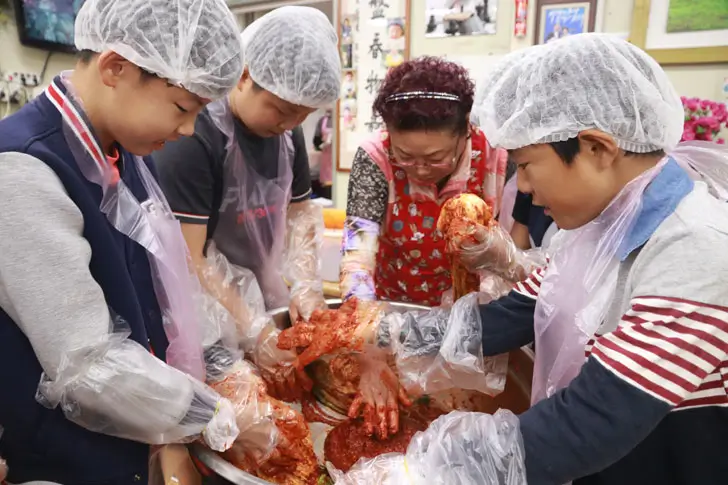
From crafting traditional Hanji paper to wearing Hanbok through the historic Hanok Village, students will experience Korean heritage through both language and culture. Daily activities integrate real-world Korean communication with hands-on cultural immersion, allowing students to build confidence, deepen identity, and connect meaningfully with their roots.
Korean American Center (KAC) is proud to partner with Jeonju to offer a summer grounded in authentic heritage experiences and guided educational structure. Designed specifically for middle school Korean heritage learners, this program is active, supervised, language-enriched, and unforgettable.
Program Dates:
June 6, 2026 Depart from LAX
June 8, 2026 Arrive to Incheon
June 13, 2026 Depart from Incheon / Arrive LAX
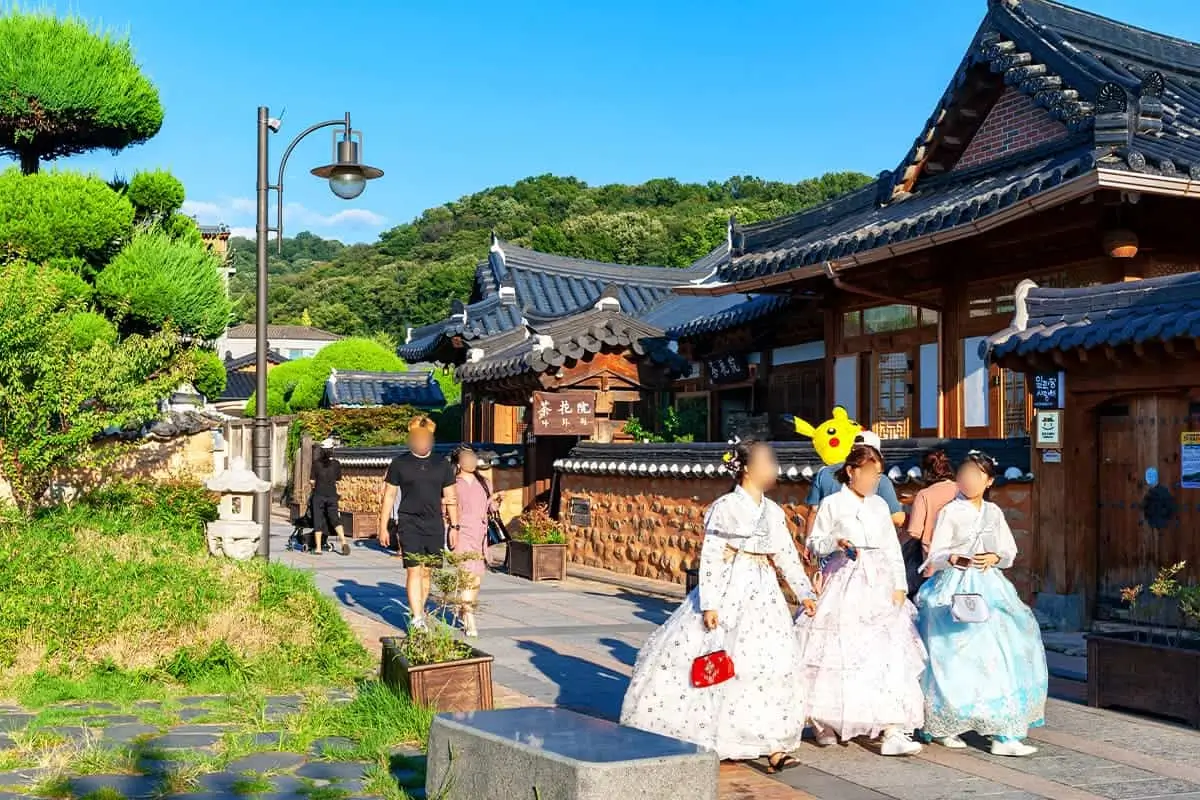
This program is intentionally rooted in hands-on participation — not passive tourism. Students will create, perform, wear, walk, and experience tradition firsthand. Your child will not simply observe Korean culture. They will step into it.
Program Highlights
Hands-On Korean Heritage + Youth Culture
Step into Korea’s living heritage in the cultural heart of Jeonju.
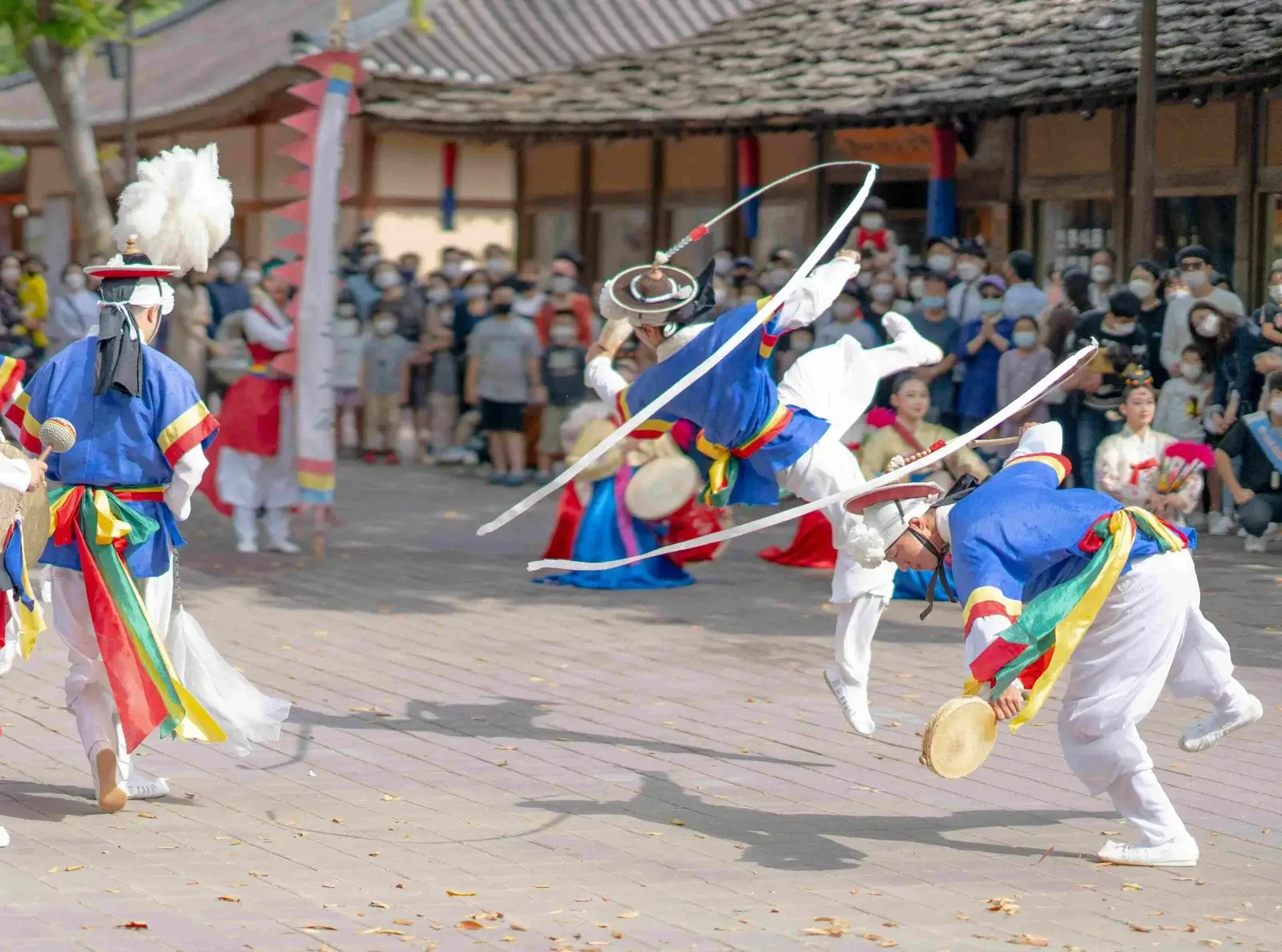
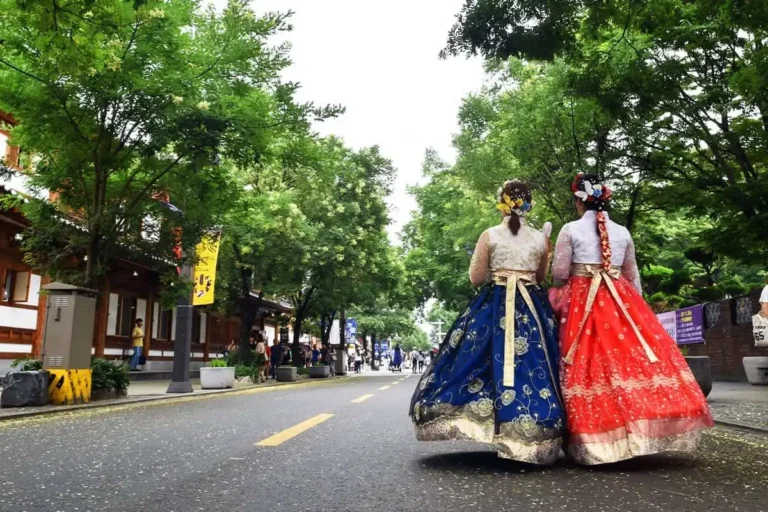
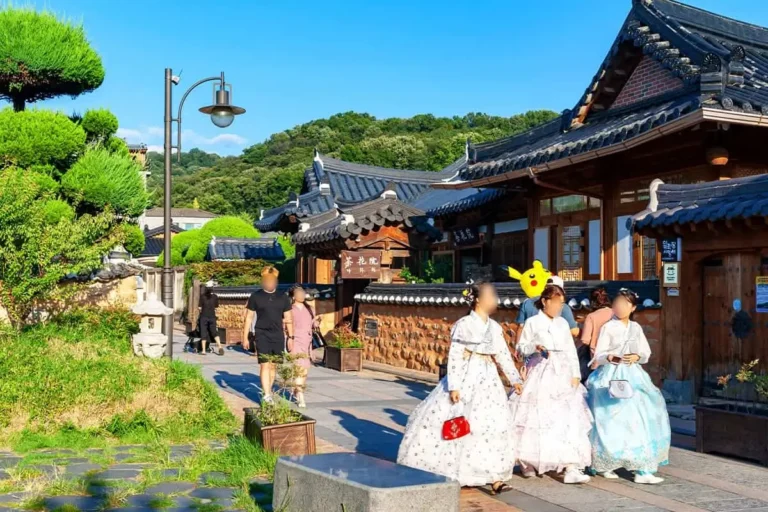
Participants will craft their own traditional book, create centuries-old Hanji paper and walk the historic alleys of Hanok Village dressed in Hanbok while learning traditional etiquette. They’ll feel the rhythm of hands-on traditional percussion instruments and balance it all with a high-energy K-Pop dance workshop. This is immersive, supervised, and unforgettable! A dynamic blend of heritage and youth culture designed especially for middle school Korean heritage students.
- Jeonju Wanpanbon Culture Center (전주완판본문화관):
- Bunker Studio (벙커스튜디오)
- Hanji Culture Center (한지문화사업센터)
- Pilbong Nongak Experience (필봉농악체험)
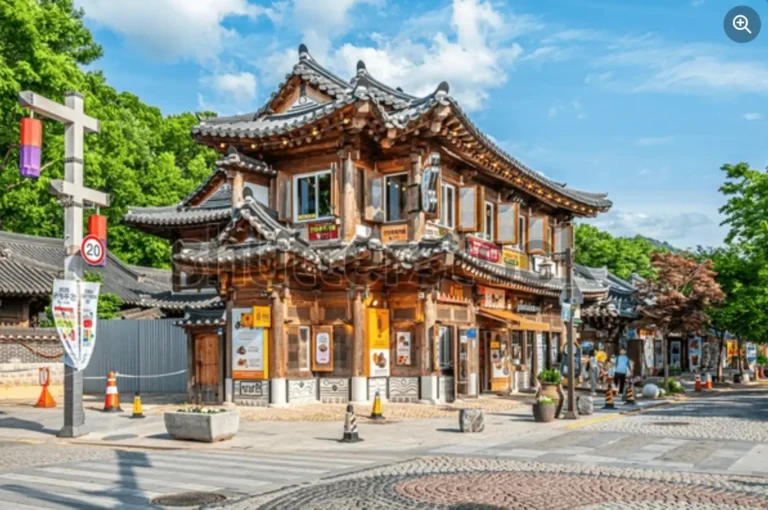
- Jeonju Hanok Village (전주한옥마을)
- And so much more....
Why Jeonju?
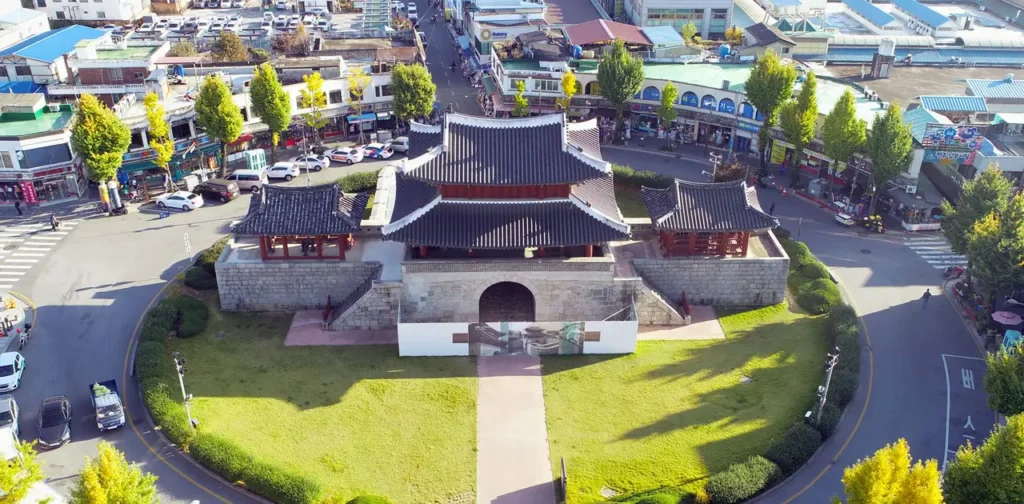
Korea’s Cultural Capital (문화의 도시, 전주)
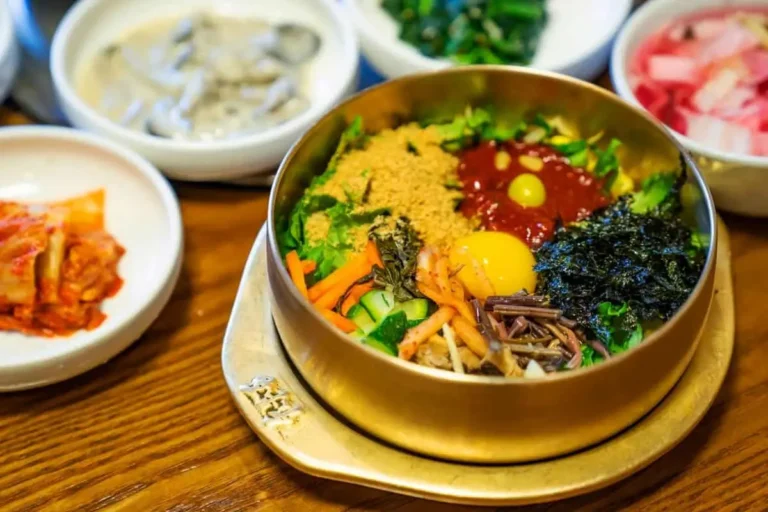
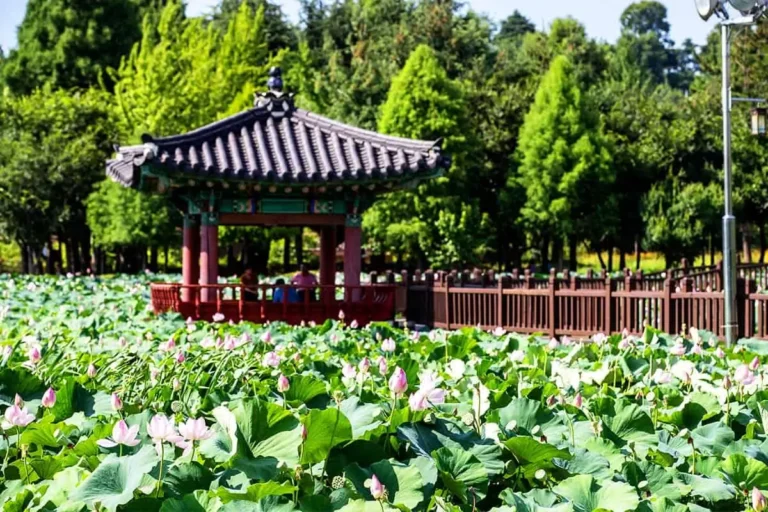
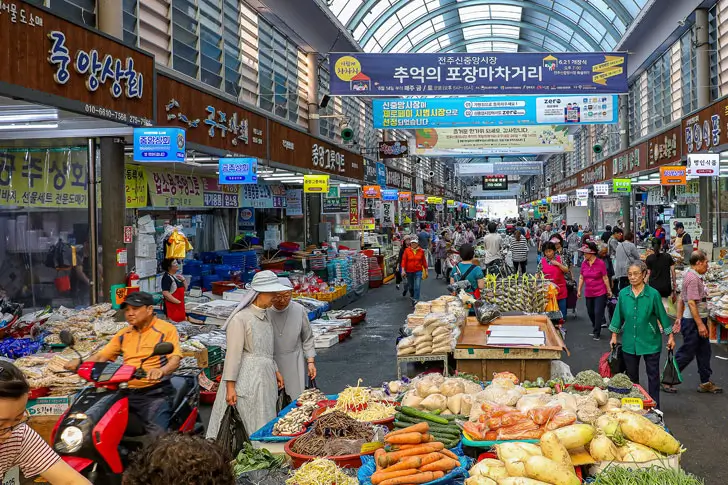
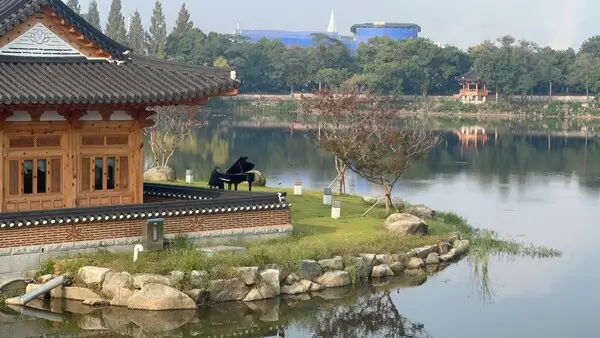
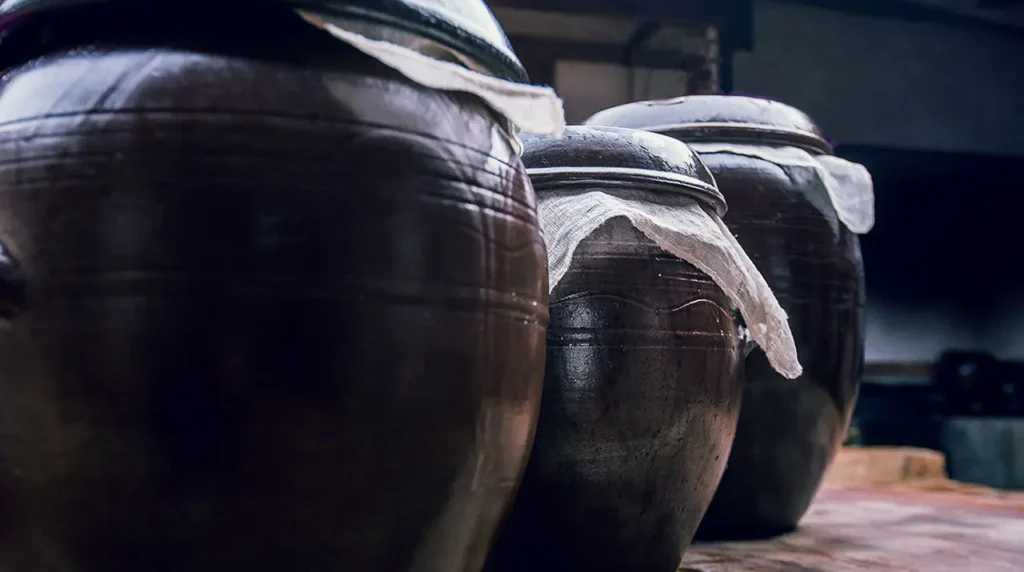
Located in the heart of North Jeolla Province, Jeonju is widely recognized as Korea’s cultural capital, a city where tradition is not preserved behind glass, but actively lived. The Jeolla region is also renowned for its outstanding cuisine, and Jeonju, in particular, is Korea’s first UNESCO Creative City of Gastronomy. The city is famous for signature dishes like Jeonju bibimbap, hanjeongsik (Korean table d’hôte), and kongnamulgukbap (bean sprout and rice soup).
Here, more than 700 hanok houses form the largest traditional village in Korea, creating a living landscape where heritage flows unbroken through generations. Jeonju is where Korean cuisine was elevated to art, where calligraphy and craft are sacred inheritances, and where cultural identity is embodied in daily practice.
Your child won’t observe Korean culture from a distance. They will step inside it—learning traditional etiquette, wearing hanbok with intention, sleeping in hanok, and tasting history itself. They will return home with the confidence of participation and stories that are theirs to tell.
In Jeonju, heritage is not something to witness. It is something to inherit.
Partnership & Cultural Support
Korean American Center (KAC) is proud to lead this heritage immersion program in formal collaboration with respected civic and cultural institutions in the Republic of Korea. This initiative is conducted in partnership with:
- Jeonju City Council (전주시의회 )
- Jeonju DMO (전주시 지역관광추진조직)
- Jeollabuk-do Cultural Tourism - Overseas Korean Programming (전북문화관광재단 재외동포 워케이션 프로그램 지원 연계)
Through this coordinated partnership, students participate in programming that is locally supported, culturally grounded, and institutionally aligned within Jeonju’s official heritage and tourism framework. KAC serves as the U.S.-based educational lead, ensuring structured supervision, curriculum integrity, and a meaningful heritage experience for Korean diaspora youth. This is not a commercial tour — it is a formally supported cultural immersion program developed in cooperation with local government and regional cultural organizations.
Parents can feel confident knowing this experience is thoughtfully designed, institutionally supported, and led by an organization with deep expertise in Korean heritage education.

Trip Overview
- Travel Dates: June 8 to June 13, 2026
- Audience: Heritage Learners Ages 12 - 15 years old
- Students traveling independently under KAC supervision must be a United States citizen and hold a U.S. passport.
- Tuition does not cover airfare. Airfare must be purchased seperately.
- Lodging is based on double occupancy.
- Application Deadline: April 17, 2026
- June 6, 2026 (Saturday) : Depart from LAX 11PM local time → Incheon
- June 8, 2026 (Monday): Arrive to Incheon Airport by 6AM → travel by charter bus to Jeonju → hotel check-in
- June 13, 2026 (Saturday): Hotel check-out → tour bus to Incheon Airport → depart Korea
- June 13, 2026 (Saturday): Arrive to LAX
- Due to the nature of this tour, spots are extremely limited, capped at 12 students.
Application Process
- One registration form per traveler
- Registration is confirmed only after you receive our official acceptance email with the Registration Agreement and invoice. Admission is determined in alignment with program standards and cohort composition.
- A $500 non-refundable registration fee per student is due upon formal acceptance and invoice issuance.
- Registration is considered complete only after registration fee is paid.
- The remainder of the trip cost is due by May 1, 2026, and can be paid via check or online.
- Visas are not required for U.S. citizens traveling to Korea, but you must hold a current passport.
- Apply now for the Korea Electronic Travel Authorization (K-ETA), which is required for foreigners visiting Korea.
Other Considerations
- Flights are the responsibility of each tour participant.
- For students traveling independently, KAC staff will coordinate a supervised group departure from LAX so students can fly together to Incheon.
- All students will travel as a group between Incheon International Airport and Jeonju. Families wishing to extend their child’s stay in Korea must arrange for a parent or designated guardian to meet and assume responsibility for the student at Incheon Airport.
- Families may travel to Jeonju with the group at their own expense, including charter bus transportation and hotel accommodations (subject to availability). During the program, families are welcome to enjoy Jeonju independently while students participate in scheduled camp activities. Please note your interest on the application, and a separate price quote will be provided.
- Students must adhere to KAC’s code of conduct. Program participation is contingent upon respectful behavior.
Tuition Includes...
- Supervised hotel accommodations (based on double occupancy)
- Daily breakfast, lunches, and dinners.
- Guided tours, private deluxe motor coach to and from Incheon Airport and throughout the tour.
- All admission, entrance fees, and learning materials.
- Baggage handling
- Tour staff, including the coordinator, other support staff.
- $500 Non-Refundable Application Fee.
Program Tuition
Per Student-
Includes $500 Non-Refundable Application Fee
-
Payment Plan Available
-
Full tuition due by May 1, 2026
Tuition does not include trip insurance (optional), medical emergency/transportation to and from hospital/medical center, or personal purchases.
Dietary Policy
A core part of this program is experiencing traditional Korean cuisine in authentic settings. We are not able to guarantee accommodations for severe food allergies (including but not limited to nut, shellfish, dairy, or gluten allergies) or medically complex dietary needs. Students requiring strict dietary management should not enroll in this program.
Safety & Supervision
This program has been designed with youth safety and structure in mind:
- Dedicated adult chaperones and clear daily schedules.
- Supervised hotel lodging and group transportation.
- Student expectations and behavior guidelines shared before travel.
- Emergency contact protocols provided to families.
Summer Program - Frequently Asked Questions (FAQs)
Who is eligible to apply?
This program is designed exclusively for Korean heritage students ages 12–15 at the time of departure.
Is Korean language proficiency required?
No. Students of all proficiency levels are welcome, from beginner to fluent heritage speakers.
Is this first-come, first-served?
Admission is based on program standards, cohort composition, and room pairing considerations.
How many students will attend?
The program is intentionally small, with 12 participants.
How are roommates assigned?
Students will stay in double occupancy rooms (2 students per room). Room assignments are determined based on age, compatibility, and program considerations. We will make every effort to accommodate roommate requests, though we cannot guarantee specific pairings.
How do students travel to Korea?
Families are responsible for booking airfare. Students may coordinate to meet KAC staff at LAX for a supervised group departure to Incheon.
Will students travel alone in Korea?
No. Students will travel together by charter bus between Incheon Airport and Jeonju under KAC supervision.
Can families travel to Jeonju with the group?
Yes. Families may join the tour bus and stay at the same hotel at their own expense. During camp programming, families may explore Jeonju independently. Please indicate interest on the application for a separate price quote.
Is this a sightseeing tour?
No. This is a structured language and cultural immersion program focused on active participation.
Will students have free time?
There may be limited supervised downtime, but the schedule is structured and activity-based.
Can you accommodate food allergies?
Due to group dining in traditional Korean settings, we are unable to accommodate severe food allergies or complex dietary restrictions.