From App Dabbler to Dedicated Student
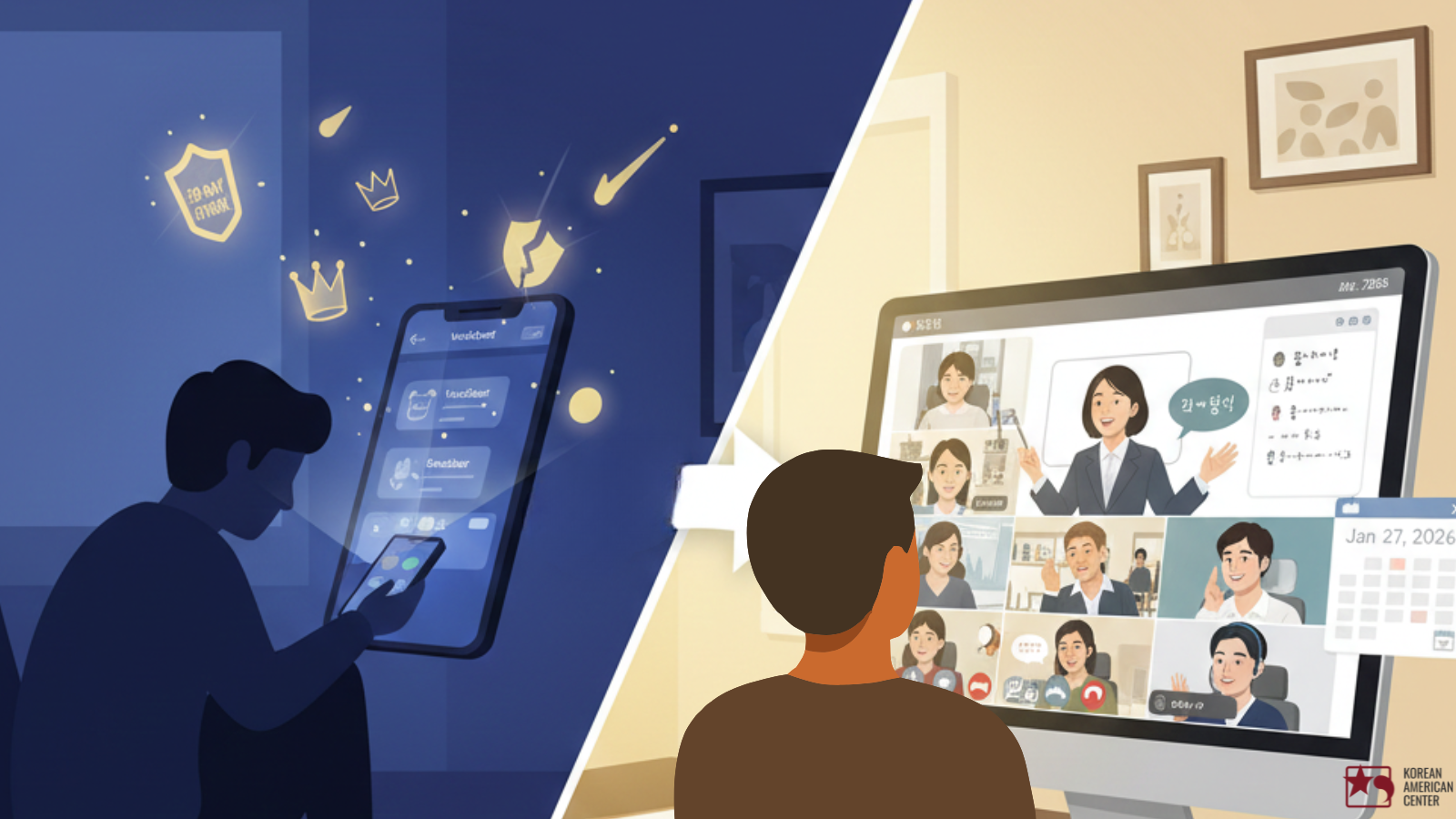
After 30 days of consistent practice on language apps, many Korean learners find themselves at a crossroads. They’ve learned the alphabet, mastered basic greetings, and can recognize a few dozen words, but something’s missing. The gamified lessons that once felt exciting now feel limiting. They’re ready for more—but what comes next?
Language-learning apps are everywhere. With the tap of a screen, you can learn your first words, practice vocabulary, and maintain a daily learning streak from anywhere in the world. They offer an undeniably convenient entry point into a new language.
But what happens when the gamified lessons start to feel repetitive? What’s the next step for learners who hit a plateau and decide they want to move beyond the basics toward genuine fluency? To understand this shift, we analyzed feedback from hundreds of students enrolling in our formal Korean program. Their responses reveal four key motivations driving them from the app store to the classroom.
——————————————————————————–
1. They’re Trading Gamified Streaks for Real Structure
While apps provide a great starting point, many learners eventually find themselves needing more than daily reminders and digital rewards. They begin looking for a clear path forward that an app’s algorithm doesn’t always provide.
What this data reveals is a strong desire for a “Structured, well-organized curriculum” and a “Clear learning progression.” Learners aren’t just looking for a syllabus; they’re seeking a logical, cumulative path where each lesson intentionally builds on the last. This is perfectly captured by student Ken Middleton, who chose a formal program “Because it had a structured online program that builds upon itself over time.” This highlights a critical turning point where the goal shifts from casual practice to methodical skill-building.
“i’ve tried to continue on my own but i wasn’t structured enough and didn’t seem to get far.”
——————————————————————————–
2. They’re Looking for People, Not Just Pixels
Learning a language is fundamentally about communication, yet app-based study is often a solitary activity. After months of practicing with a screen, many learners crave the dynamic energy and support that only comes from human interaction.
Students in our survey specifically chose programs offering “Small class sizes and personalized attention.” This indicates a search not just for information, but for connection. As student Ann Reiff put it, learners want “Live classes where I can ask questions and meet other students.” They are actively seeking the real-time Q&A and peer-to-peer practice that a solo-learning model simply cannot replicate.
“Live classes where I can ask questions and meet other students. I have no K community.”
——————————————————————————–
3. They Need a Teacher, Not Just an Algorithm
An app can tell you if you’re right or wrong, but it can’t always explain why. Learners switching from apps are looking for the nuanced, real-time feedback that an algorithm cannot provide.
The desire for “Guided practice with instructor feedback” is one of the most cited reasons for joining a live Korean class. This mentorship helps students grasp complex grammar and correct pronunciation. Crucially, it also provides momentum. When students cited “Lost motivation” as a reason for quitting previous courses, they were often describing the passive nature of self-study. A live teacher provides the personalized push and accountability needed to overcome this drain. The instructor isn’t just a source of information; they are a source of momentum.
“Since the class is smaller, we participate every week. It forces me to speak and use what we are learning in the moment.”
——————————————————————————–
4. They’re Seeking Credentials, Not Just Crowns
As learners invest more time and effort, their goals often evolve from casual interest to a more serious pursuit. This shift in mindset brings a new focus on programs with recognized legitimacy that can validate their hard-earned skills.
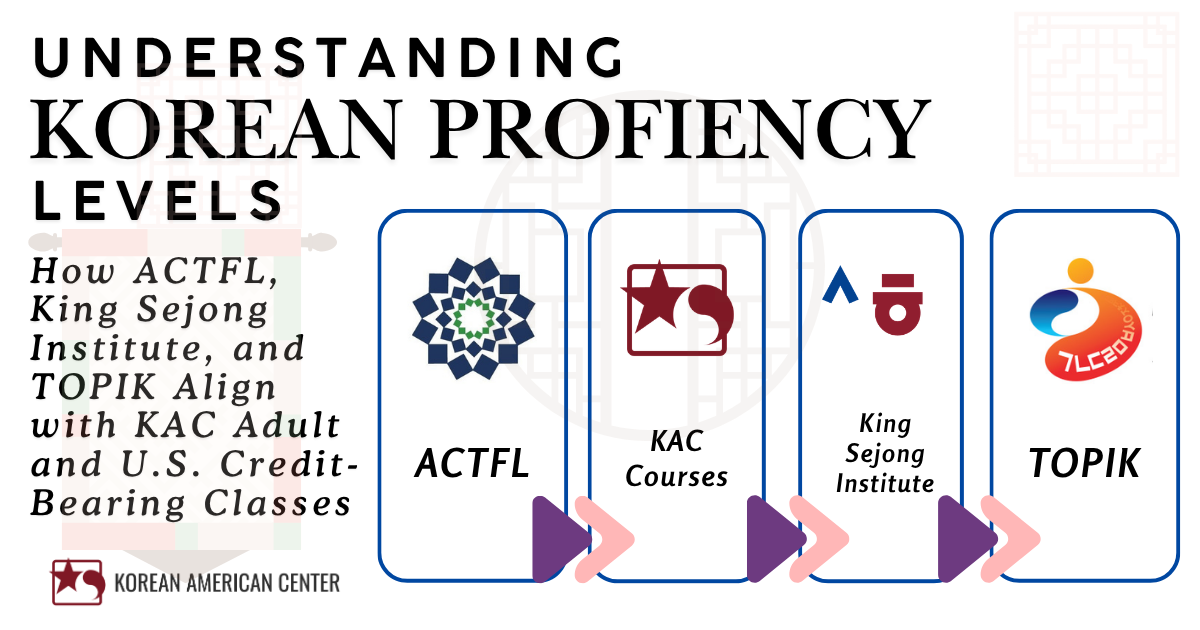
Instead of collecting digital badges, these learners are looking for external, real-world signifiers of quality. The data shows they are drawn to a hierarchy of trust signals, including a “Strong reputation and credibility,” “Certified instructors,” WASC accreditation (an academic credential recognized by U.S. schools), and the official ‘King Sejong Institute’ designation (a direct affiliation with the Korean government’s language program). This search for quality assurance shows a learner’s mindset shifting from internal, gamified rewards to external validation.
“It appeared the most legitimate academic option that was available to me.”
——————————————————————————–
Conclusion: The Next Chapter in Your Language Journey
Ultimately, the journey from app to classroom is a shift from consuming content to building capability. Learners evolve to seek not just vocabulary lists, but the comprehensive ecosystem of structure, mentorship, community, and validation required for true fluency. This transition marks the next chapter for the dedicated student, moving from casual practice to a focused and interactive pursuit of mastery.
Ready to Take the Next Step?
If you’ve been practicing on your own and feel ready for a more structured approach to learning Korean, we invite you to explore our programs. Whether you’re looking for beginner classes or advanced conversation practice, our certified instructors and supportive community are here to guide your journey.
[Browse Our Korean Language Classes →]
For those who have made the switch from apps to classes, what was the most significant change in your learning journey? Share your experience in the comments below.